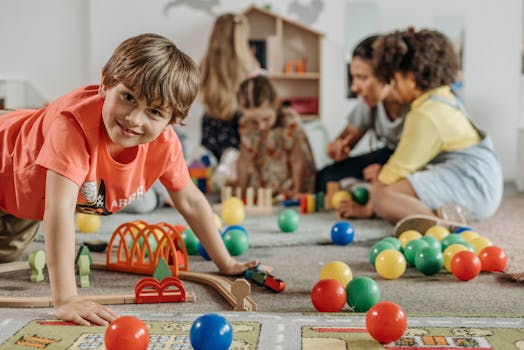
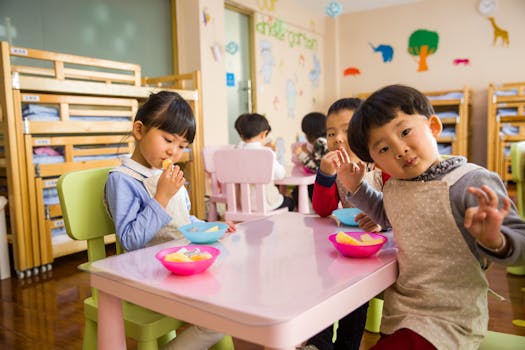
While the idea of your little one stepping into a new environment filled with teachers, new friends, and learning activities can be exciting, it can also feel overwhelming.
Many parents worry: Will my child adjust well? Will they eat? Will they cry at drop-off?
The good news is — you can make this transition smoother and stress-free with the right preparation.
In this guide, we’ll cover practical, emotional, and fun ways to get your toddler ready for preschool without the tears (well… maybe just a few happy ones).
Why Preschool Preparation Matters
A well-prepared toddler is more likely to:
Feel secure in the new environment.
Adapt faster to routines.
Develop social and emotional confidence.
Build early learning habits that last.
Preschool isn’t just about ABCs and 123s — it’s about learning independence, making friends, and building curiosity.
By preparing ahead, you’re setting your child up for a happier first day and a smoother long-term school journey.
Talk About Preschool in a Positive Way
One of the most important steps is creating excitement. Toddlers can sense our emotions, so when we talk about preschool, it should feel like an adventure — not a scary change.
Tips:
Use simple words: “Preschool is a place where you’ll play with toys, sing songs, and meet friends.”
Read preschool-themed books together. (Example: Llama Llama Misses Mama, The Day You Begin.)
Show pictures or videos of preschools so they can visualize what’s coming.
Visit the Preschool Before Starting
Familiarity reduces fear. If possible, take your child to visit the preschool before the first day.
Let them see the classroom, playground, and restrooms.
Introduce them to their teacher in a relaxed setting.
Play on the preschool grounds so it feels fun.
Pro tip: A short “practice drop-off” where you leave them for just 30 minutes can make a big difference.
Teachers are your allies in this transition. Don’t hesitate to share:
Any allergies or dietary needs.
Comfort objects that help your child settle (small stuffed toy, blanket).
Routines that work well at home.
Ask for updates, especially during the first week, so you know how your toddler is adjusting.
Create a Calm After-School Routine
Preschool days can be mentally and physically exhausting for toddlers. Expect them to be tired, sometimes cranky, after school.
Tips for smooth afternoons:
Offer a healthy snack right after pickup.
Give them quiet time before jumping into activities.
Spend a few minutes talking about their day, even if they share only a little.
Keep Preschool Preparation Fun
Avoid making preschool prep feel like a strict training camp. Instead, use games and playful learning:
Pretend preschool at home — you be the “teacher.”
Morning races to see who can get ready first.
Storytime practice where they sit and listen for a few minutes.
Take Care of Your Own Emotions
Parents often feel just as nervous as toddlers (sometimes more!). Remember:
Preschool is a safe, nurturing space.
This is an exciting step toward independence.
Your confidence will help your toddler feel secure.
Common Preschool Preparation Mistakes to Avoid
Talking about preschool like a threat (“If you don’t listen, your teacher will scold you”).
Changing routines too suddenly right before school starts.
Lingering at drop-off for too long.
Overloading your child’s schedule with too many activities before they adjust.
Preschool Packing Checklist
Here’s what most preschools recommend:
Extra set of clothes.
Small blanket or comfort item (if allowed).
Water bottle.
Healthy snack or lunchbox (if required).
Diapers/pull-ups and wipes (if needed).
Label everything — toddlers are great at misplacing items.
Final Thoughts
Preparing your toddler for preschool doesn’t have to be stressful. By starting early, creating excitement, and focusing on small independence skills, you can make the transition smoother for both of you.
Remember, every child adjusts at their own pace. Some toddlers walk in like they’ve been in school for years, while others need a few weeks to settle. Either way — your love, patience, and encouragement will help them thrive.